
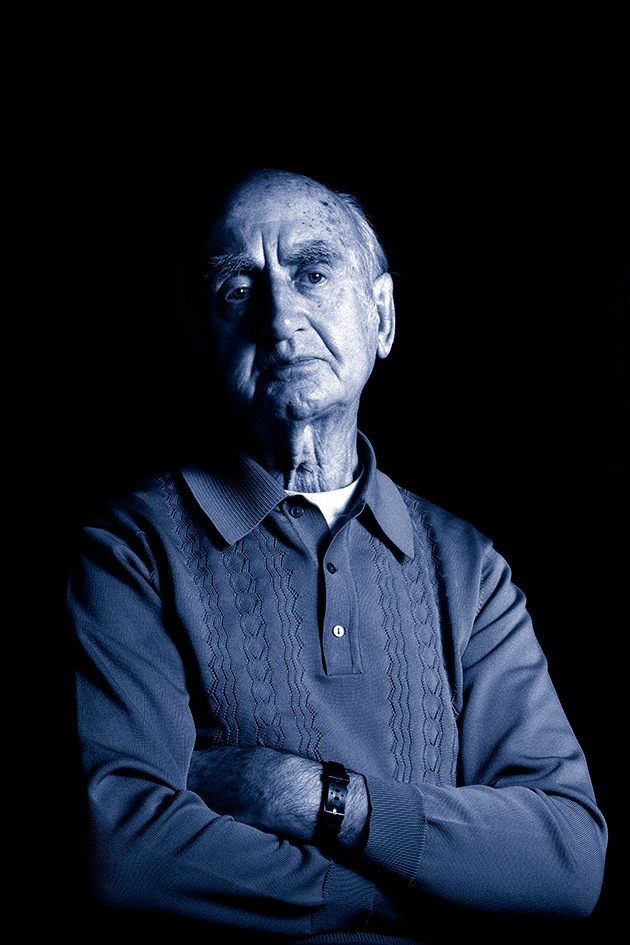
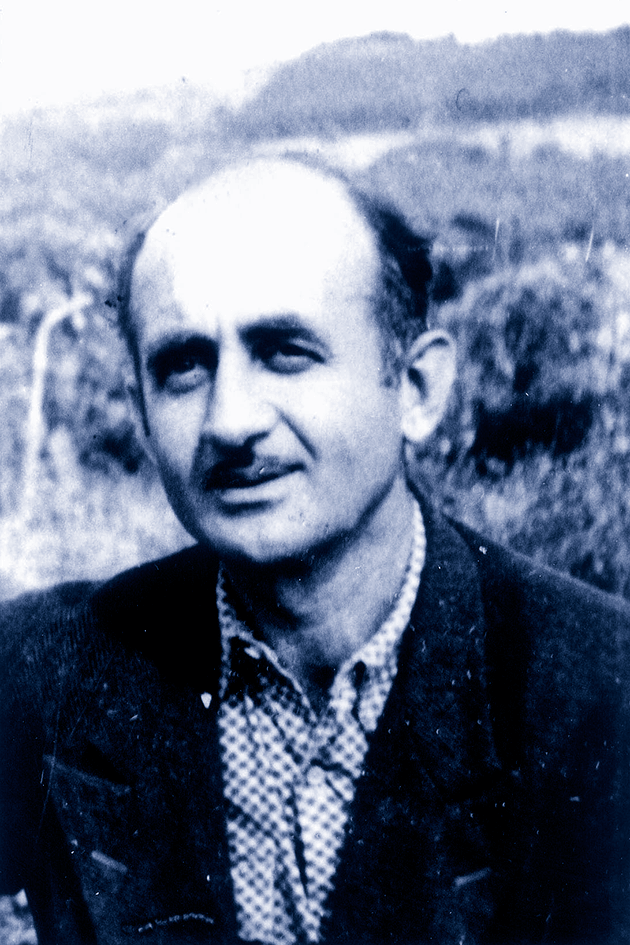
Dibáczi Lajos
Born 18 June 1914, Békéscsaba. Before the Revolution he was a turner, during the Revolution he was in Budapest as a member of the Kistarcsa National Guard. After the Revolution he avoided retribution.
I was working at Cinkota*, in a car parts factory. When the revolution started, I was living at Szilasliget. I was home on the 23rd when I heard on the radio what actually happened. I heard that a National Guard** unit would be formed at Kistarcsa***, so I enrolled. I went there, and the group that had gathered was commanded by a captain. We were there from the 24th until the morning of the 4th of November. We were armed; we had submachine guns and handguns. The police were on our side, and if we caught the ÁVO, we put them in the police cells. I knew full well that they were also the sons of Hungarian mothers. Captain Kovács was a soldier, and he strictly forbade us to shoot at unarmed men. Each company sent out patrols every night to check that everything was in order and to prevent robberies, break-ins. The National Guard consisted of forty civilians there, mostly people living in the vicinity. That is, my fellow workers at Kistarcsa. Anyone with the least bit of patriotism and a dislike for Bolshevism joined us.
We went on patrol and we had orders to arrest the leaders, the party officials.
So we went to the apartment of the party secretary of the Kistarcsa textile mill. We wanted to arrest him. He was not home. When he found out around the 28th how well our prisoners of war were treated, he gave himself up. The wife of an ÁVO captain was the cook; they are still alive. I dare say they are good people. He still remembers very well Captain Kovács and the good treatment everyone received. At half past midnight on the 4th of November, when the first tank with its dimmed lights appeared, I told the artillery captain to let the cannon shots fly when they got to two hundred metres. We could see some three hundred metres into the bend as they were approaching from Nagytarcsa. I told him to start firing with the two high power cannons. There are forty of us, my mate is up in the tower with the machine gun, and the Russians do not suspect a thing. I fought in the front line, I knew that a machine gun can cause havoc, especially at night. The artillery captain told me: "Look, Sir, I can start shooting at them, and I can do great damage, but then the railway station of Kistarcsa and the surrounding houses will also be wiped off the face of the earth!"
So we lay on the embankment by the railway and watched how the Soviet tanks rolled into Cinkota and went on steadily for four hours towards sleeping Pest.
When they were all gone, I said that we should go home. We buried our two cases of hand-grenades in the garden of the Kistarcsa Post Office. We covered the cases and I told the others: "Fellows, it is finished, let's go home! It is over."
* : Cinkota is a rural suburb of Budapest on the eastern outskirts of the city.
**: The National Guard was formed during the Revolution by civilian volunteers as an armed law enforcement and defense organisation, which was disbanded after the Revolution.
*** : Kistarcsa is similar to Cinkota.